As the drOp project comes to an end, the three peer cities — Ermua, Elva and Matera — shared their reflections on what it means to apply the Integrated Renovation Methodology in real neighbourhoods. A final recorded discussion with Ermua and Elva is now available, complemented by Matera’s written contribution.
Over the past three years, Ermua, Elva and Matera have worked together to test and adapt the drOp approach to neighbourhood-scale renovation. This final exchange captures what they learned by working directly with residents, experimenting with co-governance, and navigating different political and social contexts.
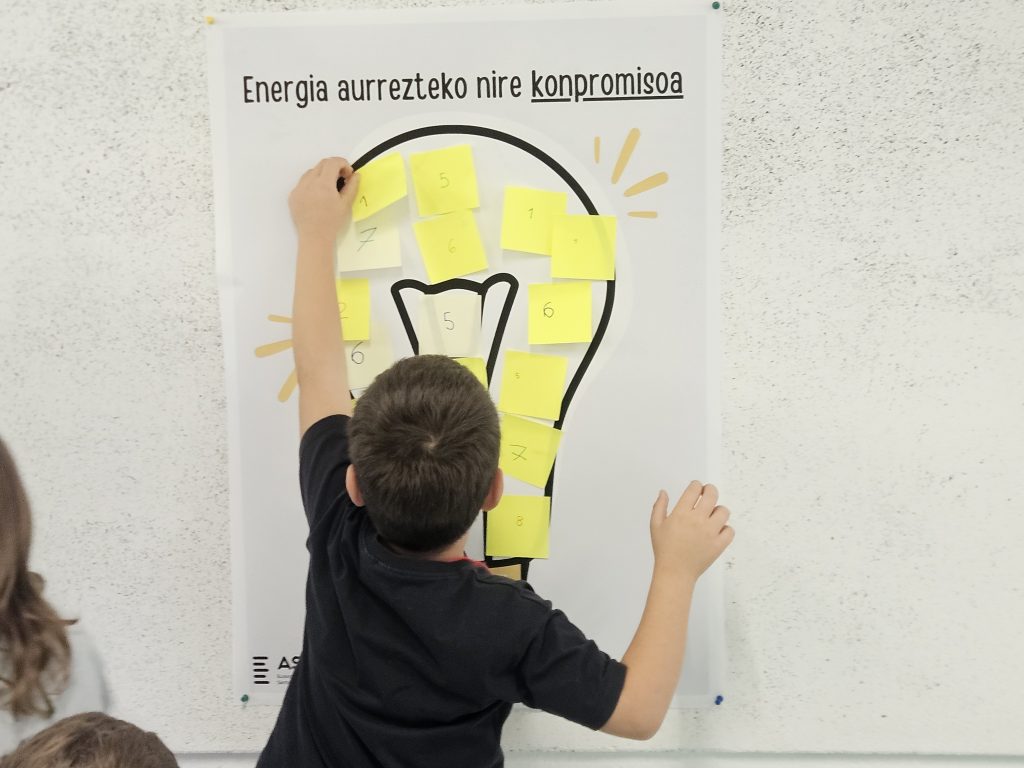
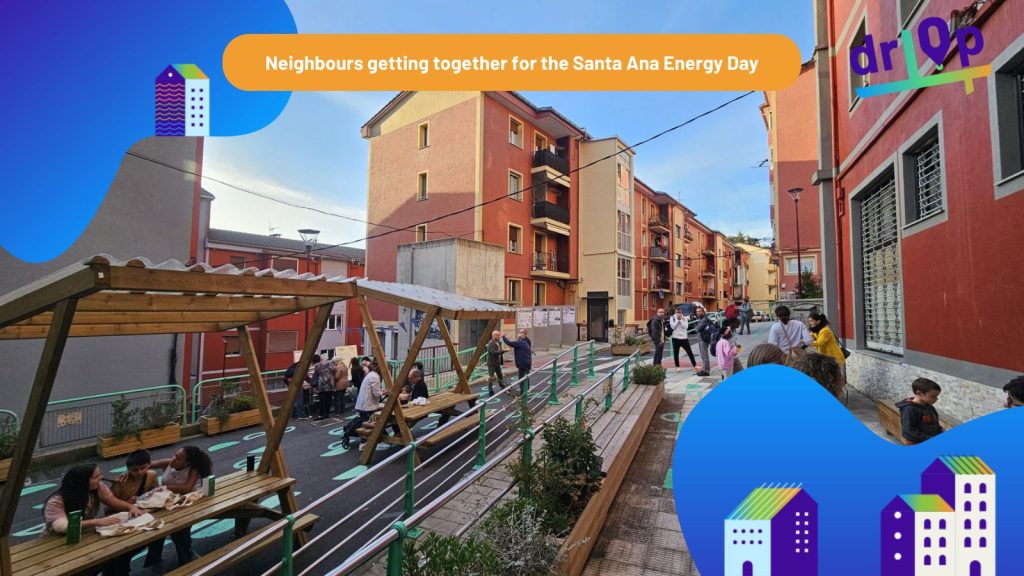
In the recorded conversation, Ermua and Elva describe how they adapted the co-governance model to fit their neighbourhoods. Although the methodology was designed with commissions and formal structures, both cities quickly realised that effective participation required something much simpler and more flexible. Trust was built gradually — through small, early interventions, consistent communication, and activities that met residents “where they were,” from street events to informal on-site meetings.
Matera echoed this insight. What mattered most was not the formal model itself, but the relationship built between the municipality and residents: listening before planning, allowing participation to unfold naturally, and understanding the cultural and institutional rhythms of the place. Their contribution highlights how even small interactions — a conversation in a square, an impromptu “memory archive” created by older residents — can anchor regeneration in local identity.
Across all three cities, several common lessons emerged:
- Start simple: a diagnosis and early listening exercises are essential foundations.
- Build trust visibly: small wins matter just as much as long-term plans.
- Adapt the model: governance structures, communication tools and digital solutions must respond to local habits, skills and expectations.
- Political continuity is key: bottom-up engagement thrives when institutional support remains stable.
- Experiment often: tactical urbanism and temporary interventions help test ideas before committing to permanent change.
Although each city applied drOp differently, they all agree on one shared message: meaningful neighbourhood renovation requires patience, openness, and a willingness to experiment — both for municipalities and for communities.
🎥 Watch the recording below to hear directly from the cities who helped shape and test the drOp methodology – and to get inspiration for your own neighbourhood-scale renovation process.